Treat first · Replace · Match
Termite Damaged Hardwood Floor Repair in Houston
Termites eat wood from the inside, so damaged floorboards can look fine on top while being hollow underneath. Homeowners usually notice a soft or spongy spot, a board that cracks under weight, small blisters in the finish or mud tubes along the edge of the floor.
- On-site estimates
- Dust-controlled sanding
- Color-matched repairs
Termite Damaged Hardwood Floor Repair done right
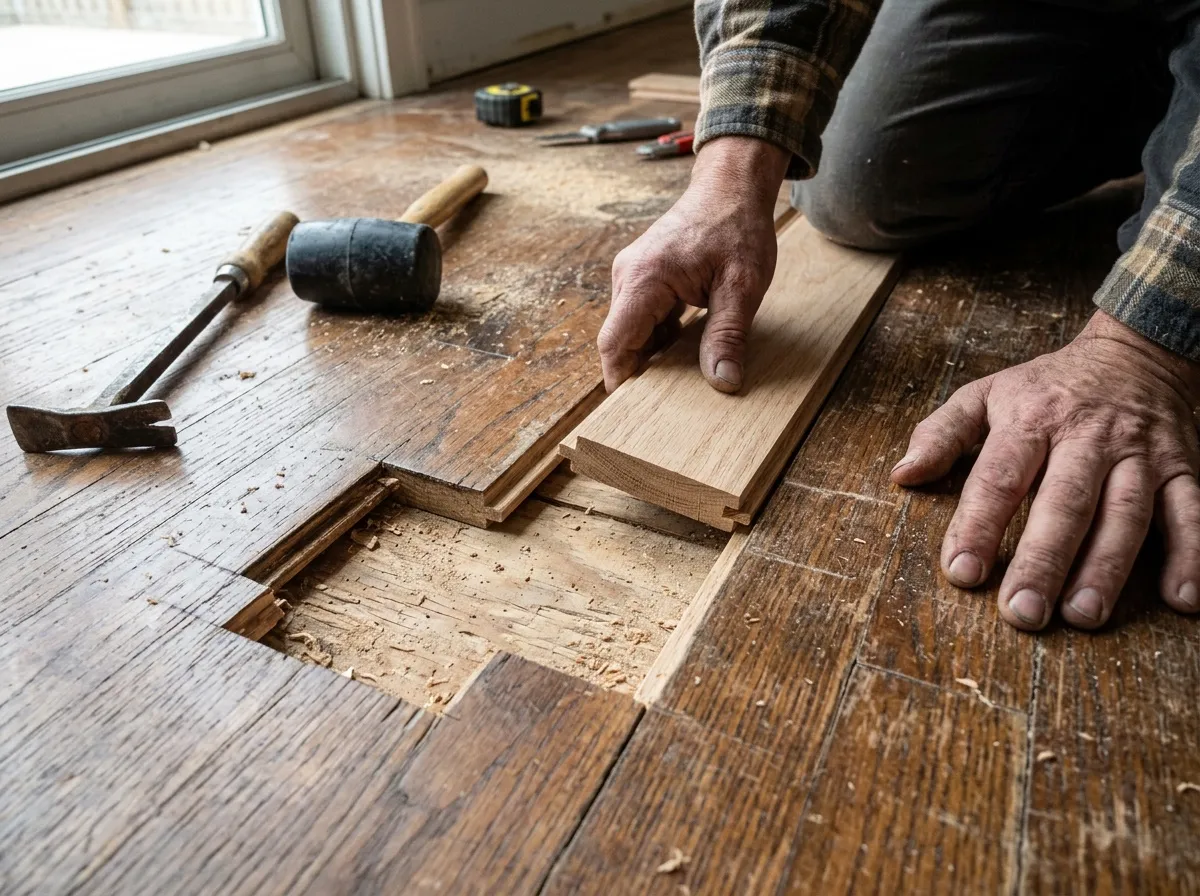
Floor repair always comes after treatment. Once your pest control company has confirmed the colony is dealt with, we open the floor, find the full extent of the damage, repair the subfloor if needed and lace in matching boards so the floor is solid and the repair is invisible.
Termites First, Floor Second
Repairing a floor before the termites are treated only gives them new wood. The right order is: inspection and treatment by a licensed pest control company, a short waiting period if they recommend one, then flooring repair.
We are not a pest control company and don’t treat termites. We work after treatment, and we can coordinate timing with your pest control provider so the floor is opened only once.
How We Repair Termite Damaged Floors
Termite damage usually spreads further than it looks from above, so we open the floor until we reach solid wood.
1. Probe and open the floor
We probe the boards around the visible damage, then cut out every board that is hollow or weakened — not just the ones that show it.
2. Check and repair the subfloor
Termites often reach the subfloor and sometimes the joists. We replace damaged subfloor sections; structural joist damage is referred to a contractor or foundation specialist.
3. Lace in matching boards
New boards of the same species, width and thickness are woven in with staggered joints so the repair follows the original pattern.
4. Sand, stain and blend
The repair is sanded flush, stained to match and finished. For a seamless look, we often screen and recoat or refinish the whole room.
Local expertise
Termites and Houston Floors
Houston’s warm, humid climate is ideal for termites, and the area has both native subterranean termites and the more aggressive Formosan subterranean termite. Swarms are most visible in spring, often on warm, humid evenings.
Older pier-and-beam homes in the Heights, Garden Oaks and Montrose give termites easy access through damp crawl spaces, while slab homes can be reached through cracks and plumbing penetrations. Moisture makes it worse, so we also check for the cupping and moisture problems that often show up alongside termite damage.
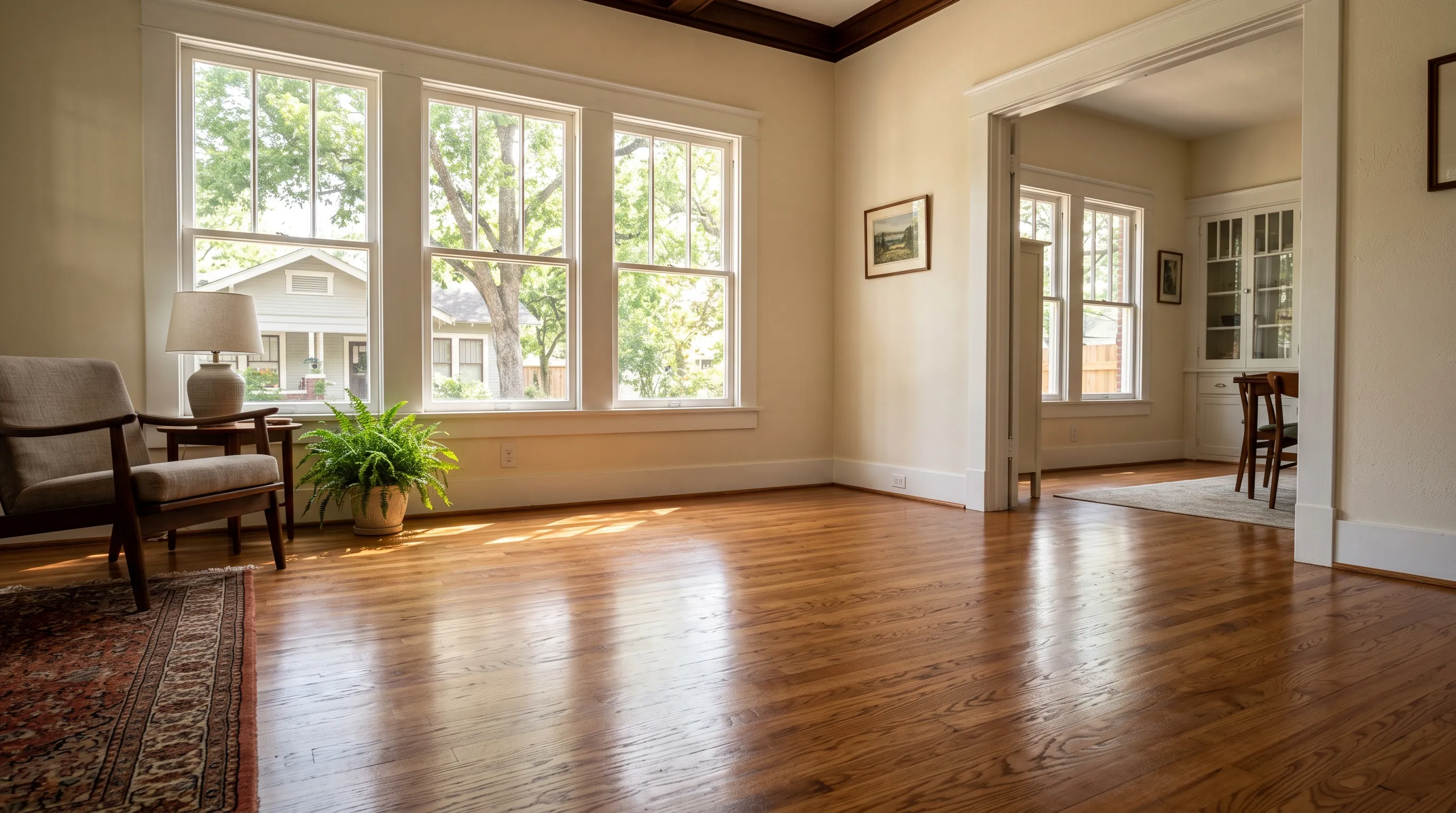
Termite damaged floor repair in Houston: what to expect
| Repair | Time |
|---|---|
| Replace a few damaged boards + spot finish | 1 day |
| Boards and subfloor, 10–30 sq ft | 1–2 days |
| Larger areas, 30+ sq ft | 2–4 days |
| Room refinish for a seamless blend | +2–3 days |
Every floor is different. The provider gives you a written price after an on-site inspection.
How it works
Our termite damage floor repair process
- 01
Confirm treatment
We start after your pest control company has treated the colony.
- 02
Open & probe
Damaged boards removed until we reach solid wood.
- 03
Subfloor
Weakened subfloor replaced; structural issues referred out.
- 04
Lace in
Matching boards woven into the original pattern.
- 05
Finish
Sanded, stained and finished to blend.
FAQ
Termite Damage Floor Repair FAQs
Can termite damaged hardwood floors be repaired instead of replaced?
Usually, yes. Only the damaged boards and subfloor need to be replaced. Matching boards are laced into the existing floor and the area is refinished so the repair blends in, which costs far less than a new floor.
Should I repair my floor before or after termite treatment?
After. Repairing first just gives termites fresh wood. Have a licensed pest control company inspect and treat the home, then schedule the floor repair once they confirm the treatment is complete.
How do I know if my hardwood floor has termite damage?
Common signs are soft or hollow-sounding spots, blistering finish that looks like water damage, boards that crack under weight, mud tubes along the floor edges and discarded wings near windows. A pest inspection confirms it.
Does homeowners insurance cover termite damage to floors?
Usually not. Most homeowners policies treat termite damage as preventable maintenance and exclude it. Check your policy and any termite bond or warranty from your pest control company, which may cover repairs.
Where we work
Termite Damage Floor Repair near you
We provide termite damaged hardwood floor repair throughout Houston, including these neighborhoods:
- Houston Heights77008, 77007, 77009 · ~4 miles northwest
- Montrose77006, 77098, 77019 · ~3 miles southwest
- River Oaks77019, 77027 · ~4 miles west
- West University Place77005 · ~6 miles southwest
- Bellaire77401 · ~9 miles southwest
- Meyerland77096, 77035 · ~10 miles southwest
- Memorial77024, 77079 · ~12 miles west
- Garden Oaks & Oak Forest77018, 77092 · ~8 miles northwest
Related services
Other hardwood floor services
Hardwood Floor Repair
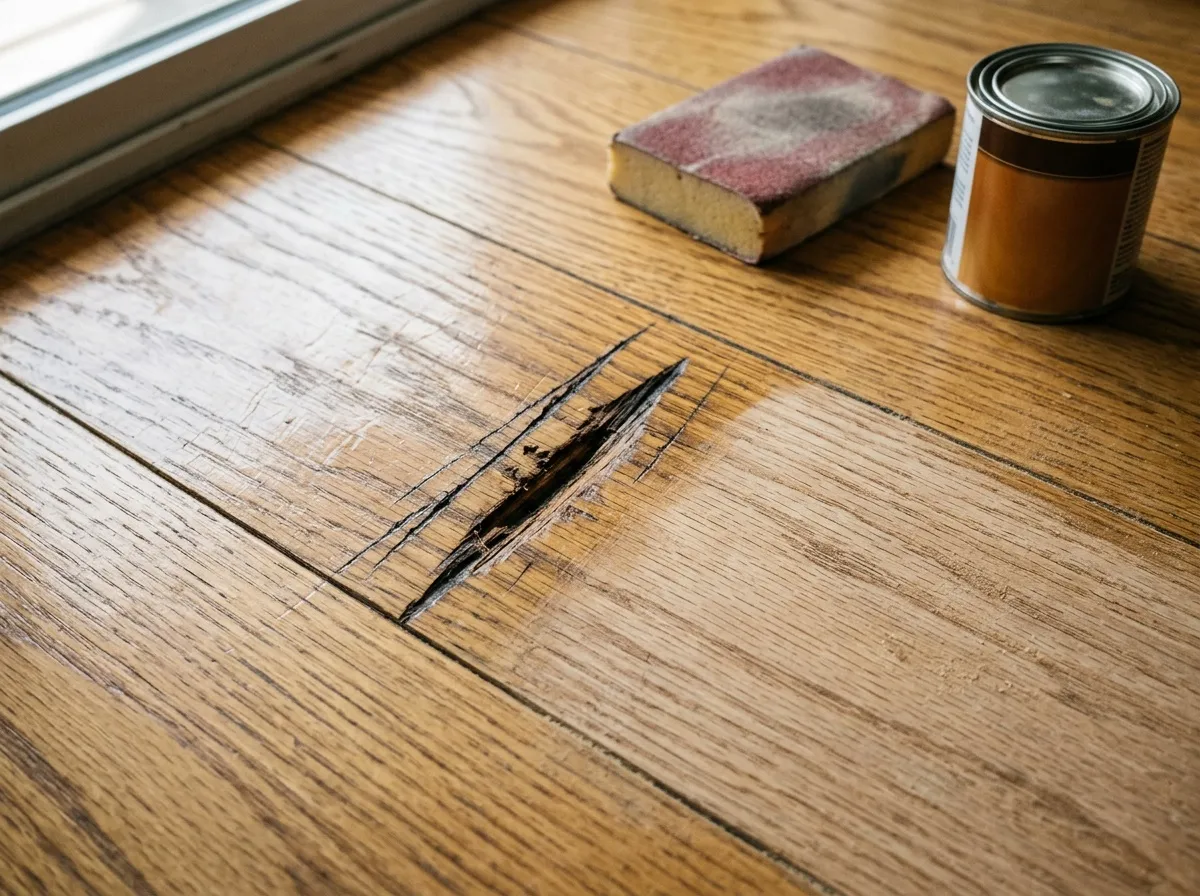
Scratches, gouges, gaps, dents, holes, pet and termite damage repaired and blended into your existing floor.
Learn more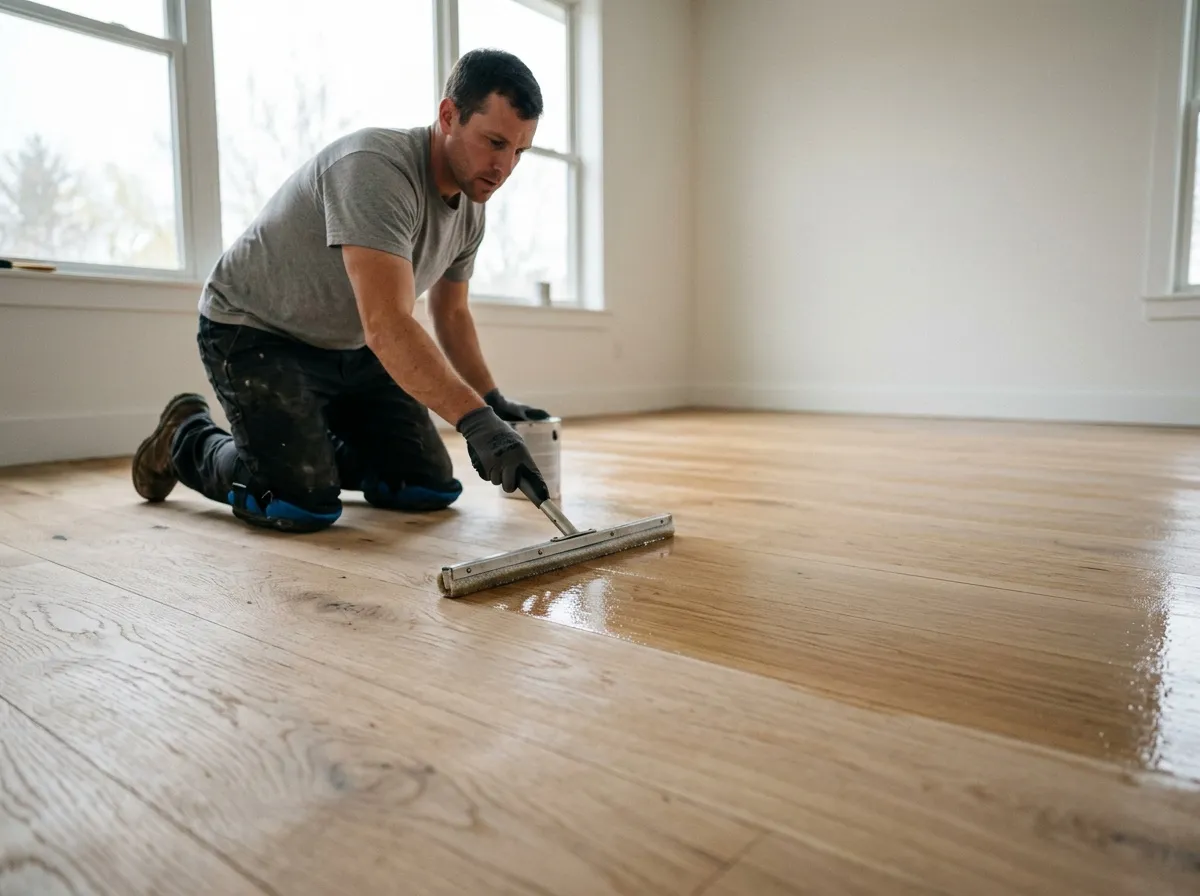
Hardwood Floor Refinishing
Full sand-and-refinish, screen-and-recoat and stair refinishing to remove wear, scratches and dull finish, with dustless sanding and low-VOC finishes.
Learn more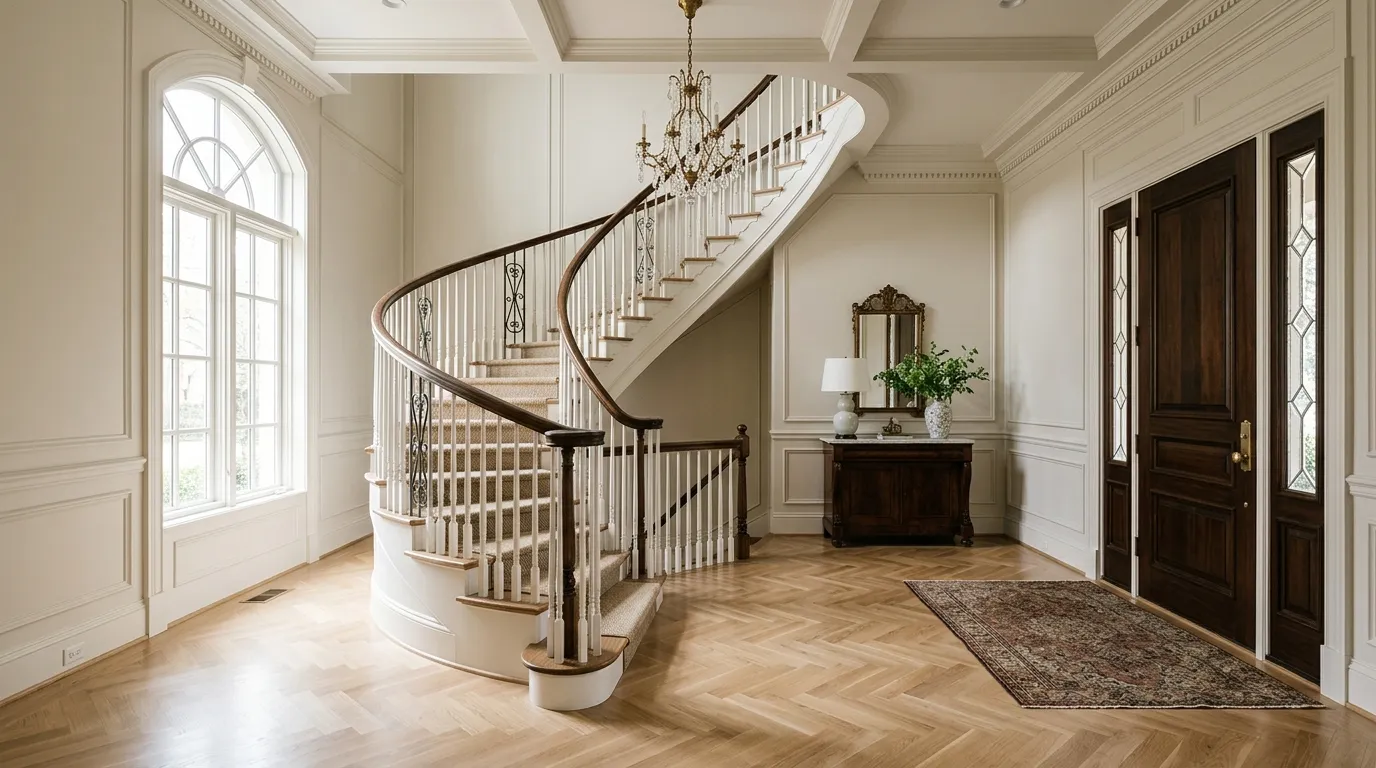
Hardwood Floor Installation
Solid and engineered hardwood installed on slab or pier-and-beam, with moisture testing first, plus new wood woven into your existing floors.
Learn moreBoard Replacement & Color Matching
Damaged boards cut out and laced in with matching species, width and stain — so the repair disappears into the rest of your floor.
Learn more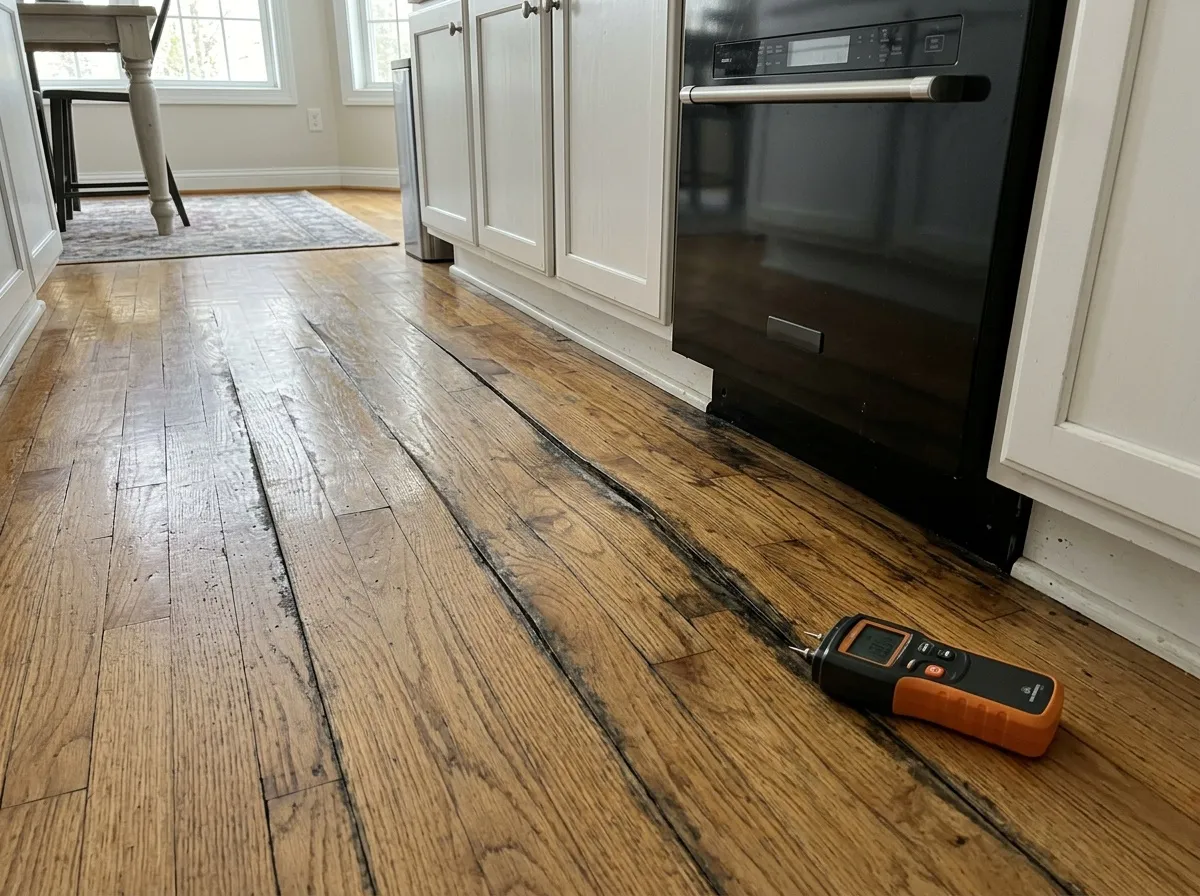
Water Damaged Floor Repair
Cupped, crowned, buckled or stained floors after leaks or storms — moisture-tested, dried, repaired and refinished.
Learn more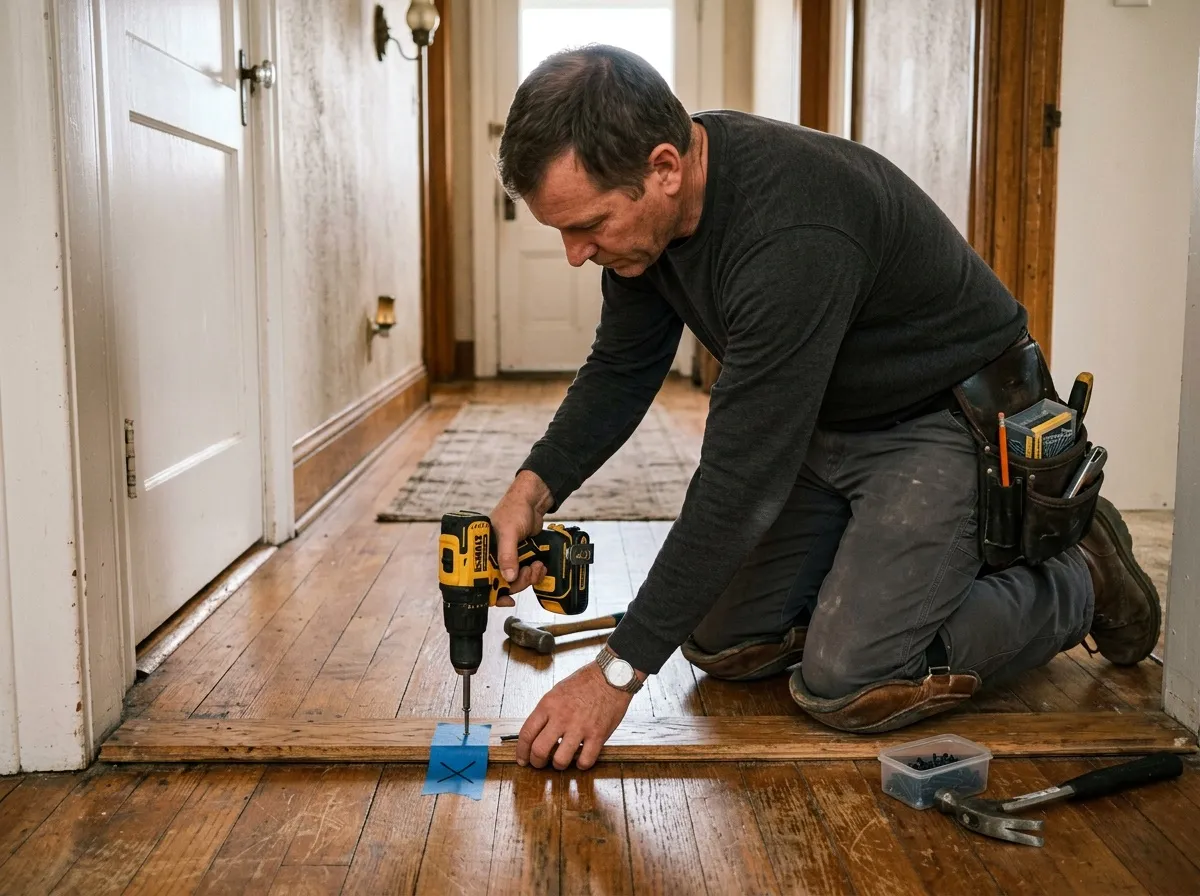
Squeaky & Loose Floor Repair
Squeaks, bouncy spots and loose boards fixed from above or below — on pier-and-beam and slab homes, without tearing up your floor.
Learn more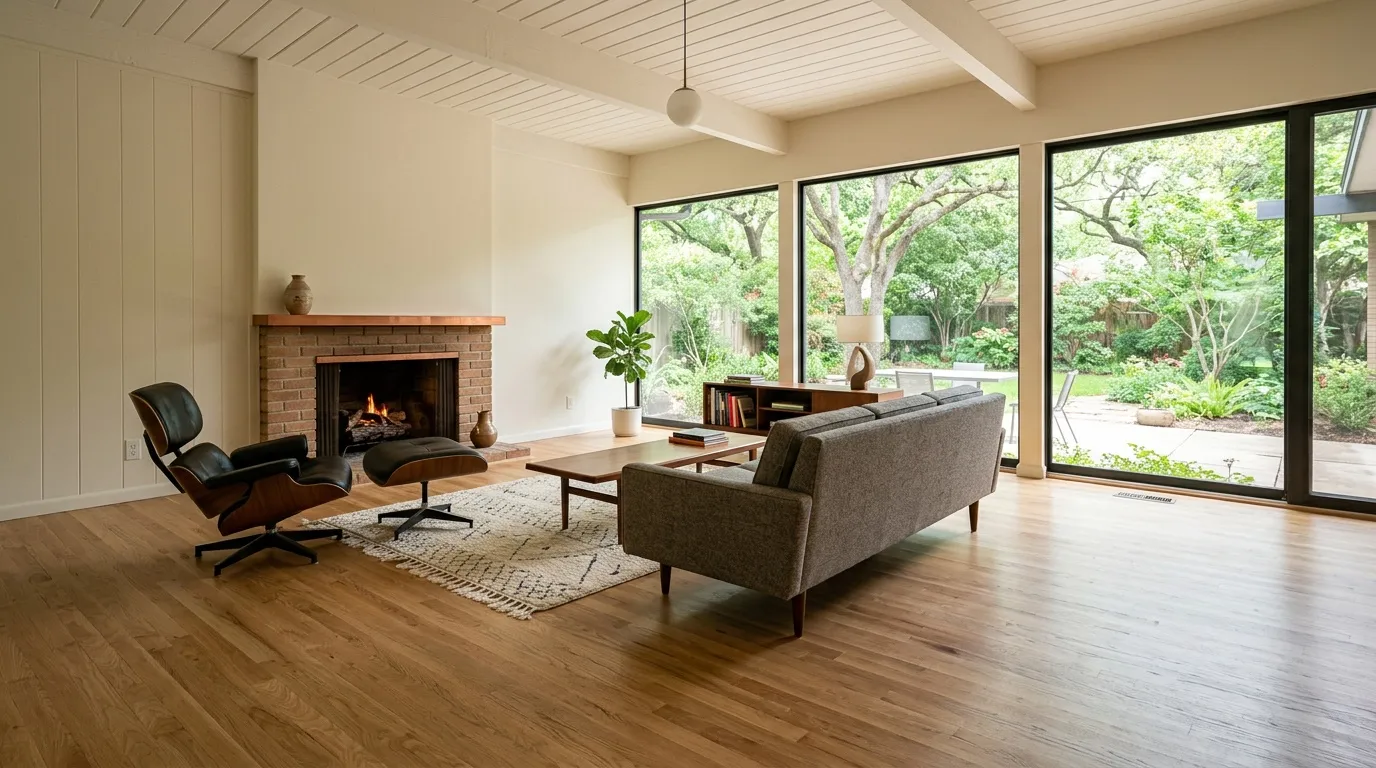
Floor Gap Repair
Gaps between boards closed with glued-in wood slivers or flexible filler — the right fix for the board, the gap size and the season.
Learn more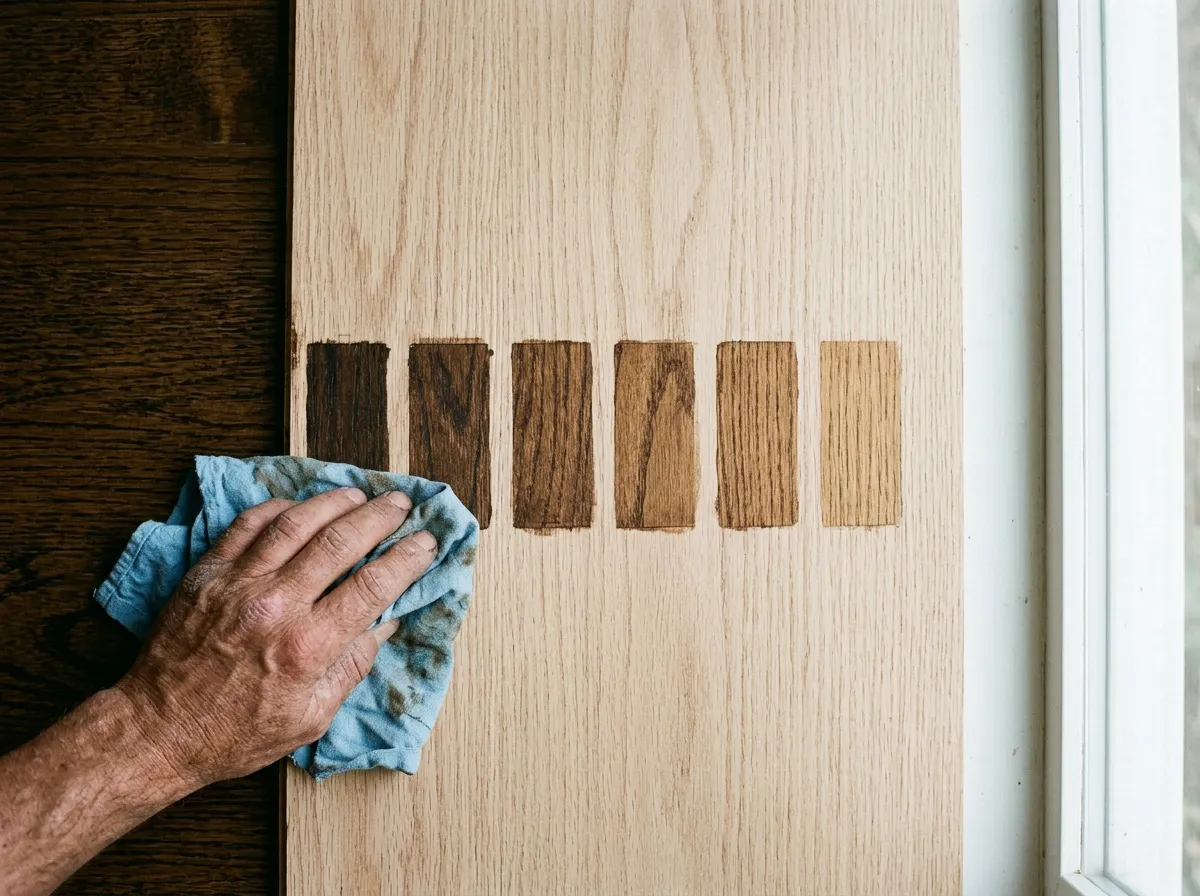
Pet Stain Floor Repair
Black urine stains, odor and claw damage fixed by treating, replacing boards or refinishing — with matching color so the repair disappears.
Learn moreScratch, Dent & Gouge Repair
Surface scratches buffed out, dents raised or filled, deep gouges color-matched and worn lanes recoated — without refinishing the whole house.
Learn more
Cupped & Buckled Floor Repair
Cupped, crowned or buckled boards diagnosed with moisture readings, dried at the source, then flattened, replaced or refinished.
Learn more
Hole & Missing Board Repair
Holes from old vents, floor furnaces, walls, islands, pipes and nails filled with plugs, patches or woven-in boards that match your floor.
Learn moreNeed termite damaged hardwood floor repair in Houston?
Call for an on-site estimate anywhere in Houston. We’ll inspect the damage, explain your options honestly, and give you a written price before any work starts.