Solid · Engineered · Weave-in
Hardwood Floor Installation in Houston, TX
A new hardwood floor in Houston has to be installed with the climate in mind. Most homes here are built on concrete slabs, the air is humid for much of the year, and many neighborhoods have dealt with flooding. Skip the moisture test, the acclimation or the expansion gap, and the new floor can cup, gap or buckle within the first year.
- On-site estimates
- Dust-controlled sanding
- Color-matched repairs
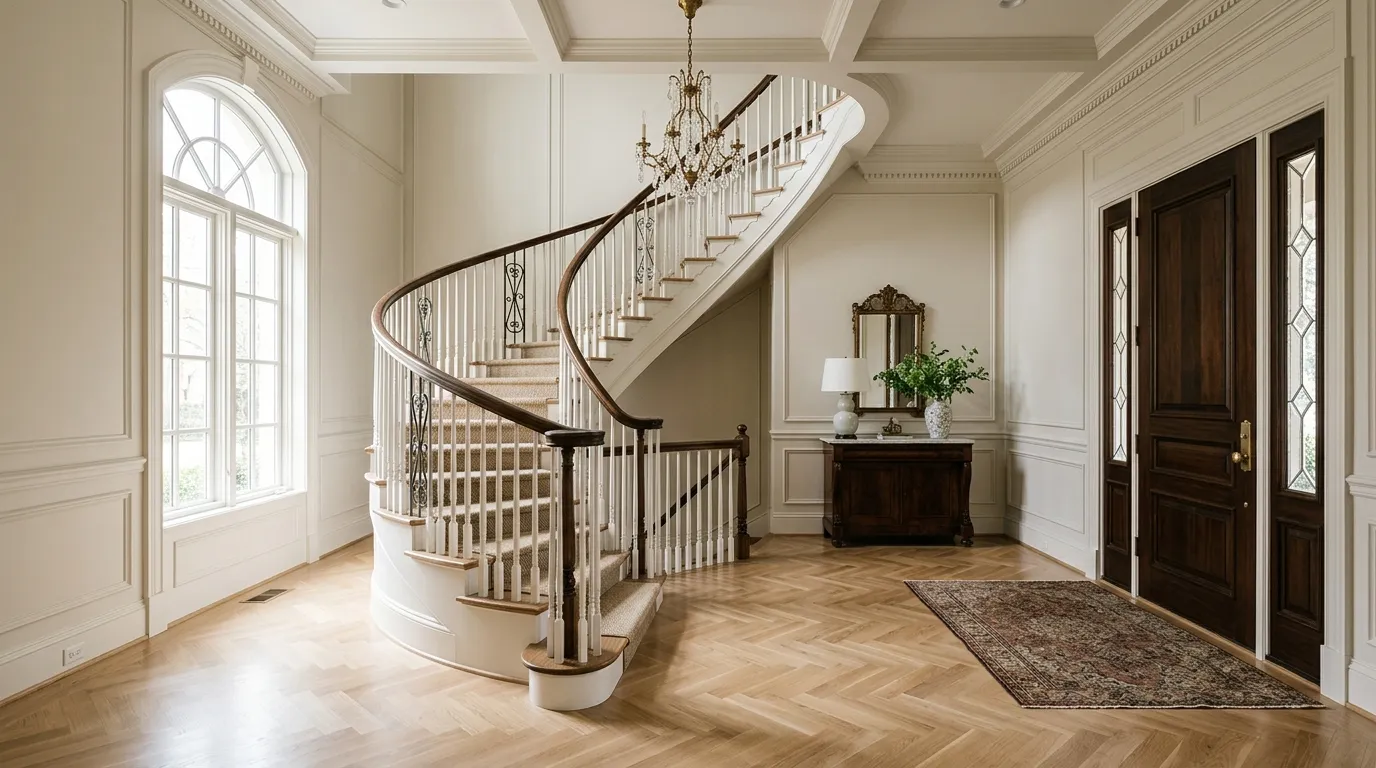
Hardwood Floor Installation done right
We install solid and engineered hardwood in whole homes, single rooms, additions and remodels. We also extend existing floors into new spaces by weaving new boards into the old ones and matching the color, so the transition doesn’t show. Every job starts with moisture readings on the subfloor or slab.
Solid vs. Engineered Hardwood: Which Is Right for Your Houston Home?
Both are real wood. The difference is how they’re built and where they can go. Solid hardwood is one piece of wood, usually ¾ inch thick. Engineered hardwood has a real-wood top layer bonded to a stable plywood core, which handles humidity changes better.
Solid hardwood
Best for pier-and-beam homes and wood subfloors, common in the Heights, Montrose, Garden Oaks and Oak Forest. It’s nailed down, can be sanded and refinished 4–6 times, and lasts for generations. It isn’t recommended directly over a concrete slab.
Engineered hardwood
The usual choice for Houston slab homes. It can be glued down or floated over a moisture barrier, moves less with humidity, and comes in wide planks that would be unstable in solid wood. Choose a wear layer of 3 mm or more if you want the option to refinish it later.
Weaving new wood into existing floors
When you remove a wall, add a room or replace a damaged section, we lace new boards into the existing floor at staggered joints instead of leaving a straight seam, then sand and finish the whole area so old and new match. See our board replacement and color matching service for smaller repairs.
How We Install Hardwood Floors
The steps you can’t see matter most. A floor that looks perfect on day one can fail in Houston’s first humid summer if the prep was rushed.
- Moisture testing: slab moisture readings (RH probe or calcium chloride) and wood subfloor readings before any wood goes down
- Acclimation: the flooring sits in your conditioned home for 3–7 days until it reaches the right moisture content
- Subfloor prep: leveling high and low spots, fixing loose plywood and adding a vapor barrier where needed
- Installation method: nail-down for solid wood, glue-down or floating for engineered wood on slab
- Expansion gaps at every wall, hidden under baseboards and quarter-round, so the wood can move with the seasons
- Finishing: prefinished floors are ready right away; site-finished floors are sanded, stained and sealed in place
Local expertise
Installing Hardwood on Houston Slabs and in Houston Humidity
Concrete slabs release moisture for years, and Houston’s high water table and humid air keep that going. Engineered hardwood over a proper moisture barrier, or glued down with a moisture-blocking adhesive, is the safe choice for slab homes in Bellaire, Meyerland, Memorial and most newer construction.
For homes that have flooded, we confirm the slab or subfloor has fully dried before installing anything. We also keep the A/C running during installation and recommend holding indoor humidity between 35% and 55% year-round to keep the new floor stable.
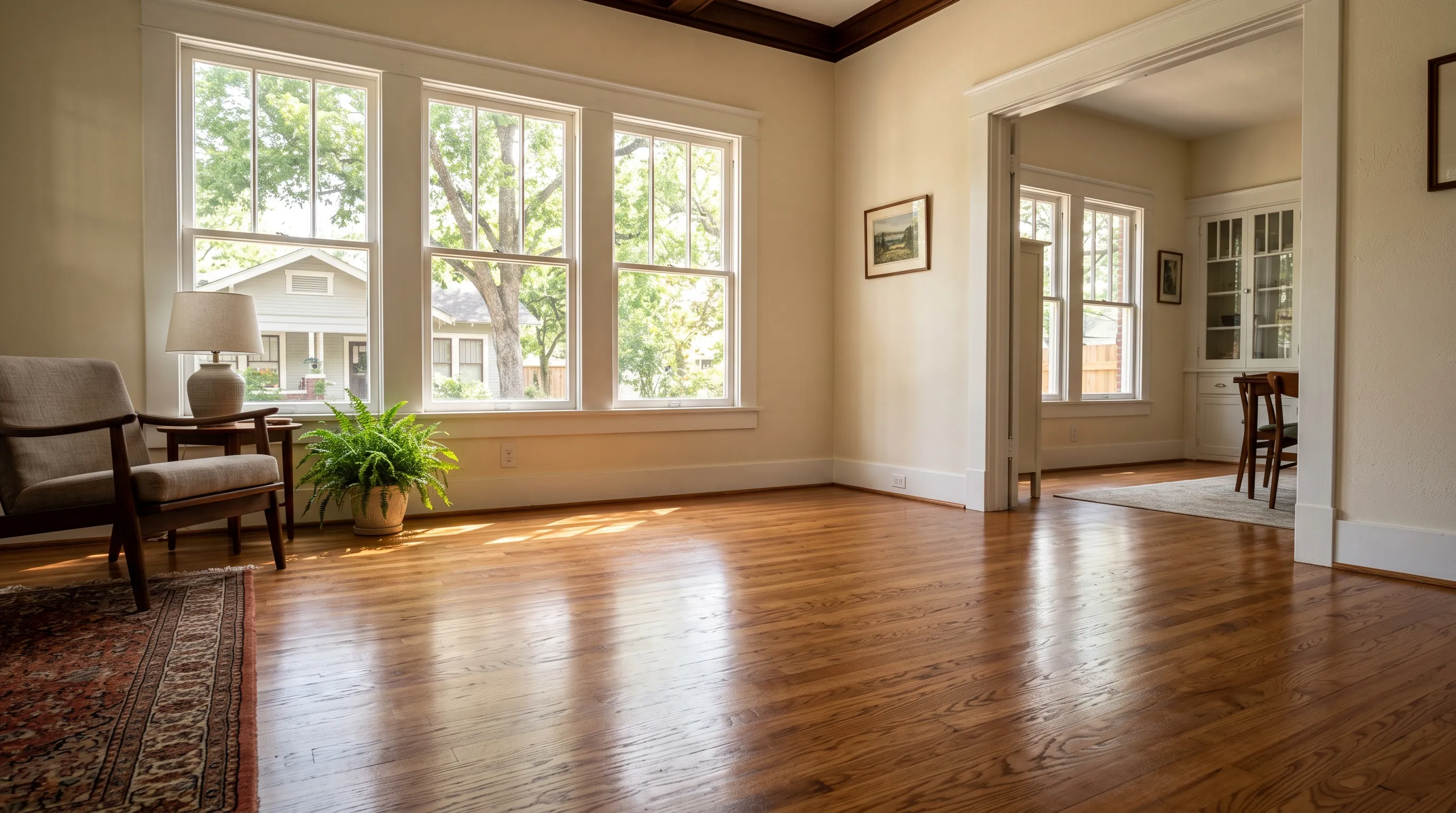
Hardwood floor installation in Houston: what to expect
| Service | Notes |
|---|---|
| Engineered hardwood, installed | Materials + labor, glue-down or floating |
| Solid hardwood, installed (prefinished) | Materials + labor, nail-down |
| Solid hardwood, site-finished | Includes sanding, stain and 3 coats |
| Labor only (you supply flooring) | Depends on method and layout |
| Remove & dispose of old flooring | Tile removal costs more |
| Stair treads & risers | Varies with nosing and finish |
Every floor is different. The provider gives you a written price after an on-site inspection.
How it works
Our hardwood floor installation process
- 01
Measure & test
Room measurements, slab or subfloor moisture readings and a look at transitions and stairs.
- 02
Choose your floor
Solid or engineered, species, width and finish, matched to your home and budget.
- 03
Acclimate & prep
Flooring acclimates on site while we remove old flooring and level the subfloor.
- 04
Install
Nail-down, glue-down or floating installation with proper expansion gaps.
- 05
Trim & walkthrough
Baseboards, transitions and stair nosing finished, then a final walkthrough together.
FAQ
Hardwood Floor Installation FAQs
Can you install hardwood floors on a concrete slab?
Yes, but it should be engineered hardwood, glued down or floated over a moisture barrier. Solid ¾-inch hardwood isn’t recommended directly on a slab because slab moisture makes it cup and gap. We test slab moisture before every installation.
Is engineered or solid hardwood better for Houston?
Engineered hardwood is usually better for Houston slab homes because it handles humidity changes with less movement. Solid hardwood is a great choice for pier-and-beam homes with wood subfloors, and it can be refinished more times over its life.
How long does hardwood floor installation take?
Most 1,000 sq ft installations take 3–5 days once the wood has acclimated, which itself takes 3–7 days. Site-finished floors add 2–3 days for sanding, staining and finish coats.
Can you match new hardwood to my existing floors?
Yes. We match species and board width, weave the new boards into the existing floor at staggered joints, then sand and finish the area so the color is consistent. This works well for additions, removed walls and replaced sections.
Should I repair or replace my hardwood floors?
If the existing boards are structurally sound, repairing and refinishing almost always costs less than new flooring. Replacement makes sense when floors are rotted, badly flooded, sanded through, or when you’re changing from another type of flooring to hardwood.
Where we work
Hardwood Floor Installation near you
We provide hardwood floor installation throughout Houston, including these neighborhoods:
- Houston Heights77008, 77007, 77009 · ~4 miles northwest
- Montrose77006, 77098, 77019 · ~3 miles southwest
- River Oaks77019, 77027 · ~4 miles west
- West University Place77005 · ~6 miles southwest
- Bellaire77401 · ~9 miles southwest
- Meyerland77096, 77035 · ~10 miles southwest
- Memorial77024, 77079 · ~12 miles west
- Garden Oaks & Oak Forest77018, 77092 · ~8 miles northwest
Related services
Other hardwood floor services
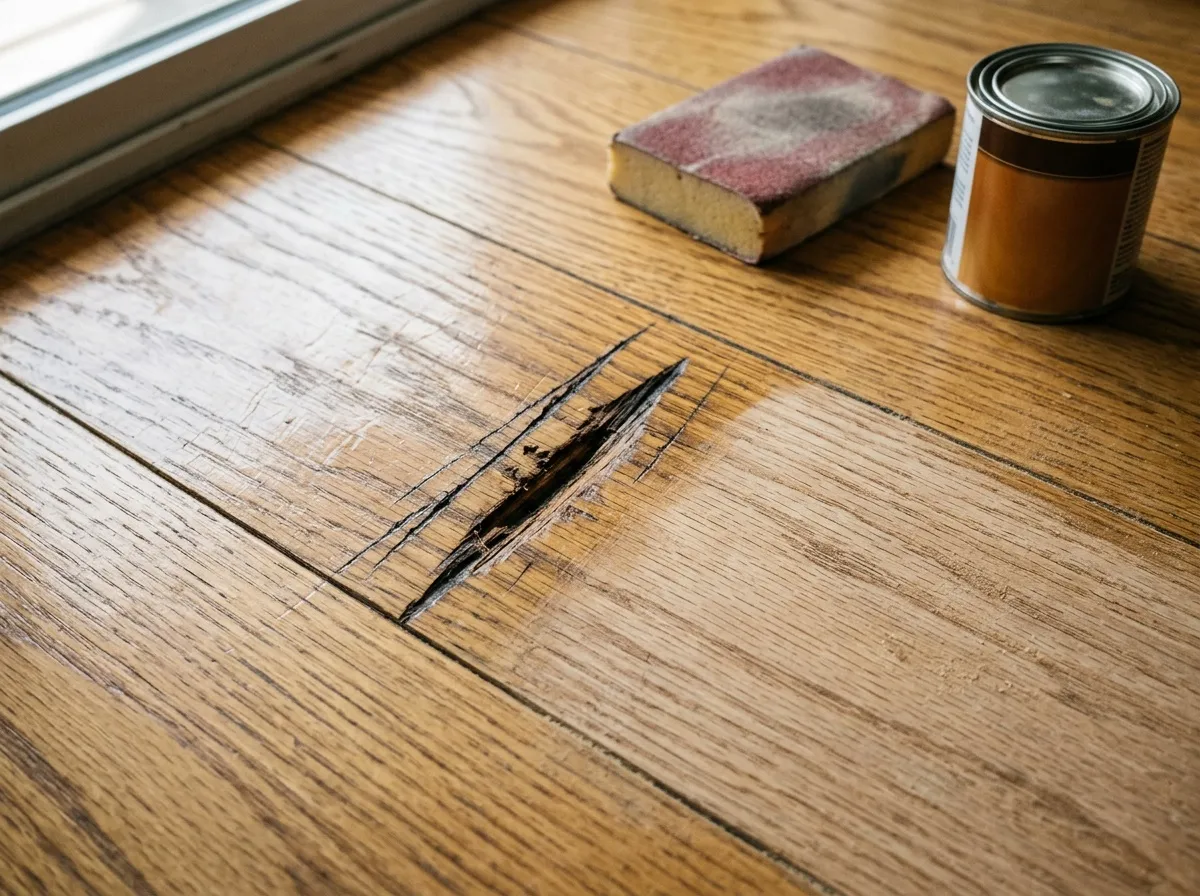
Hardwood Floor Repair
Scratches, gouges, gaps, dents, holes, pet and termite damage repaired and blended into your existing floor.
Learn more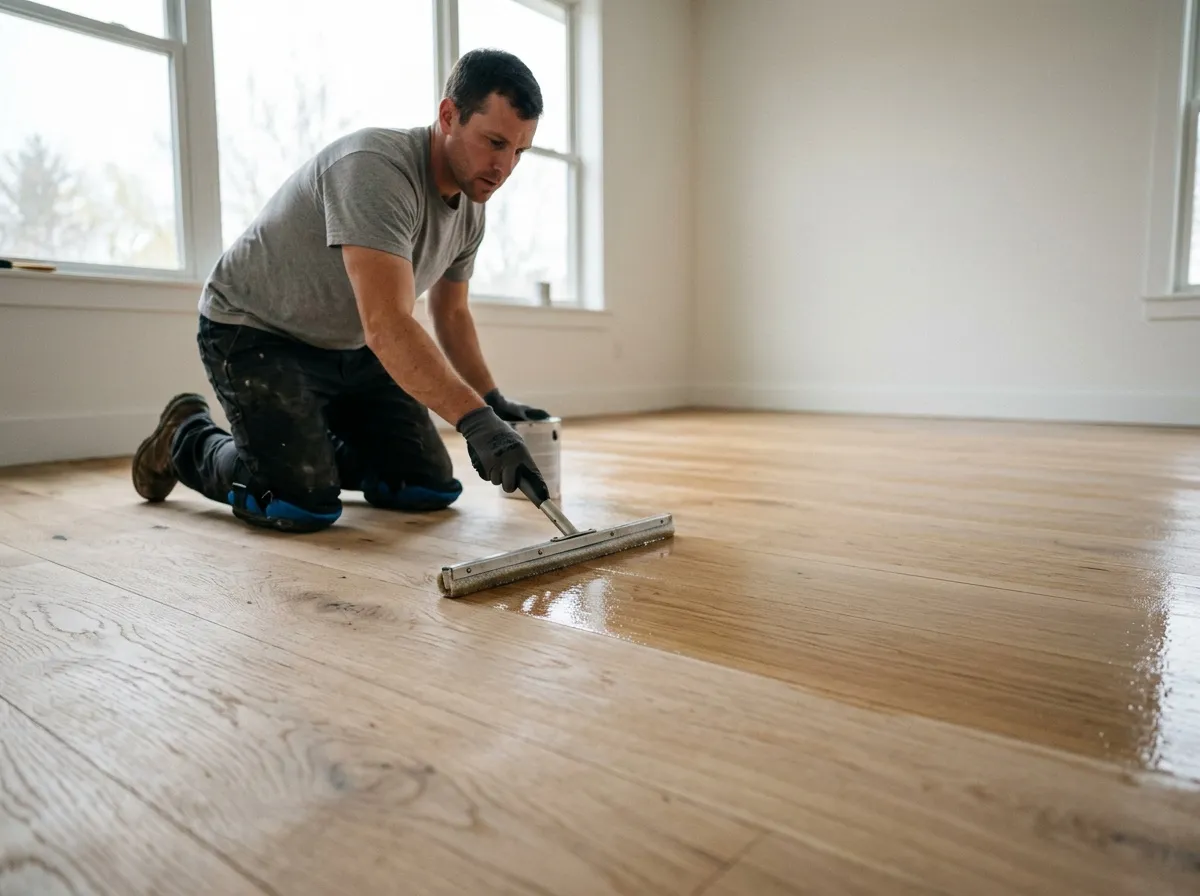
Hardwood Floor Refinishing
Full sand-and-refinish, screen-and-recoat and stair refinishing to remove wear, scratches and dull finish, with dustless sanding and low-VOC finishes.
Learn more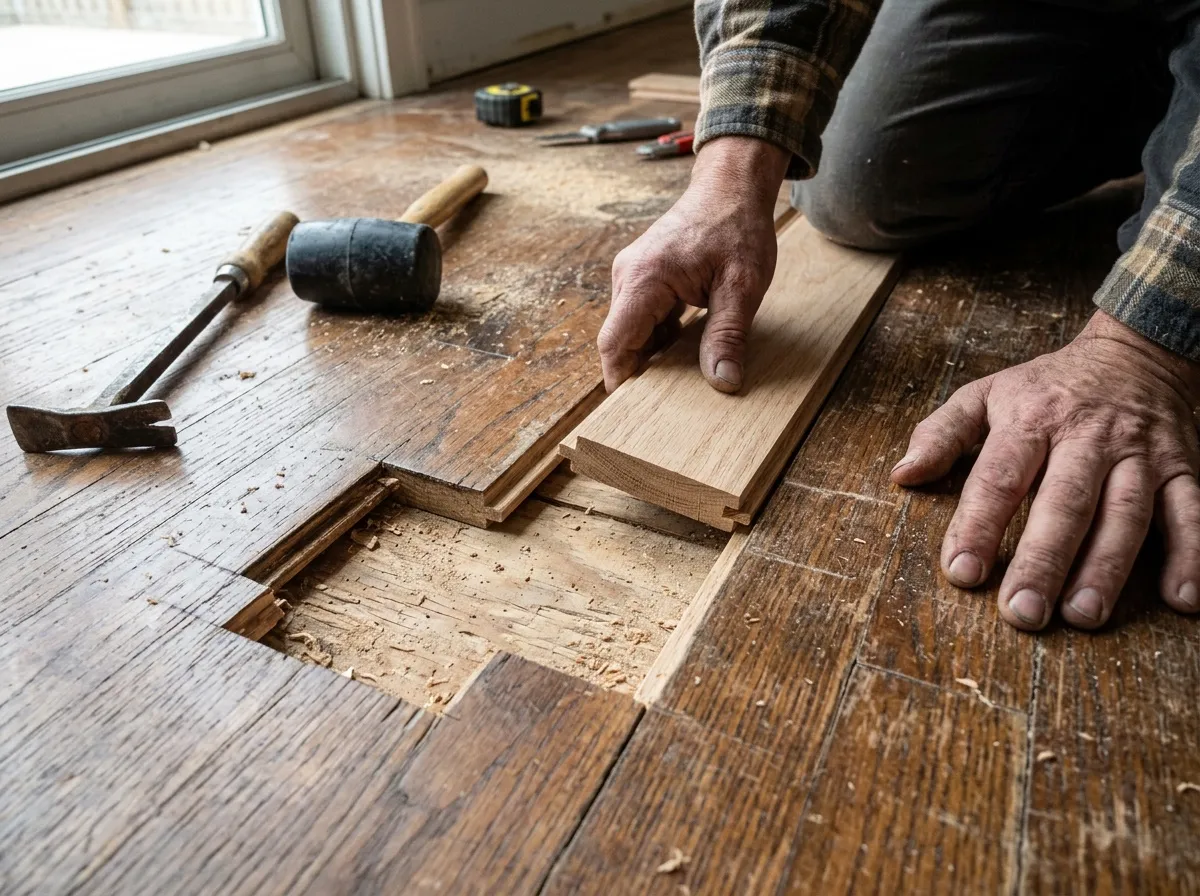
Board Replacement & Color Matching
Damaged boards cut out and laced in with matching species, width and stain — so the repair disappears into the rest of your floor.
Learn more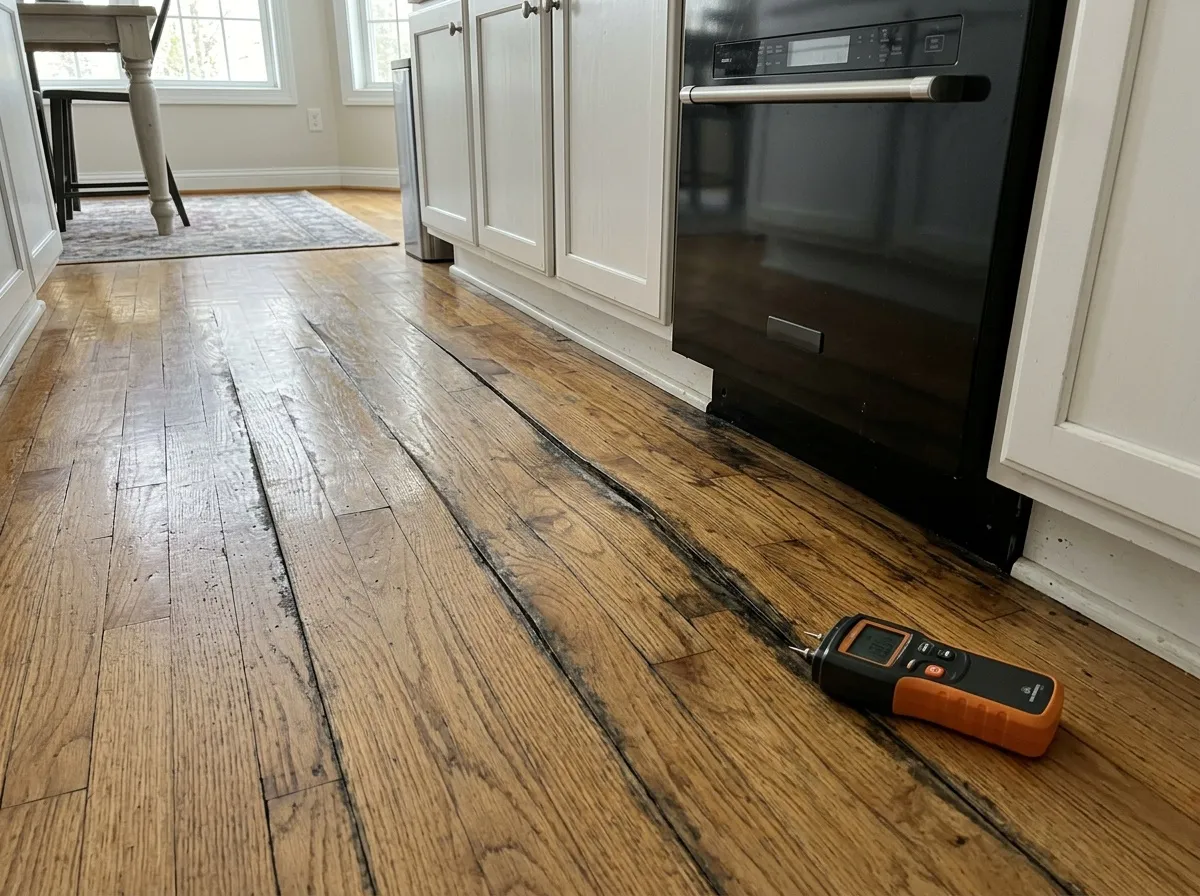
Water Damaged Floor Repair
Cupped, crowned, buckled or stained floors after leaks or storms — moisture-tested, dried, repaired and refinished.
Learn more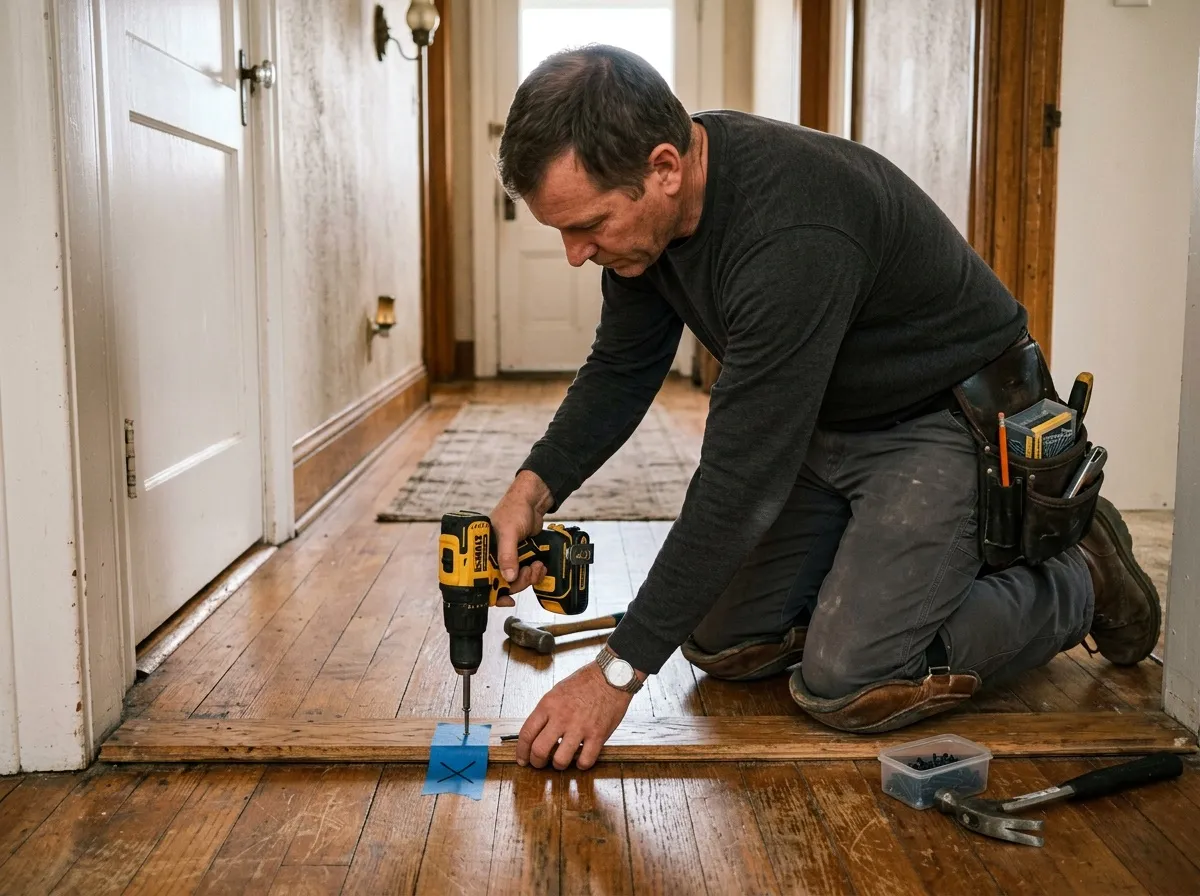
Squeaky & Loose Floor Repair
Squeaks, bouncy spots and loose boards fixed from above or below — on pier-and-beam and slab homes, without tearing up your floor.
Learn more
Floor Gap Repair
Gaps between boards closed with glued-in wood slivers or flexible filler — the right fix for the board, the gap size and the season.
Learn more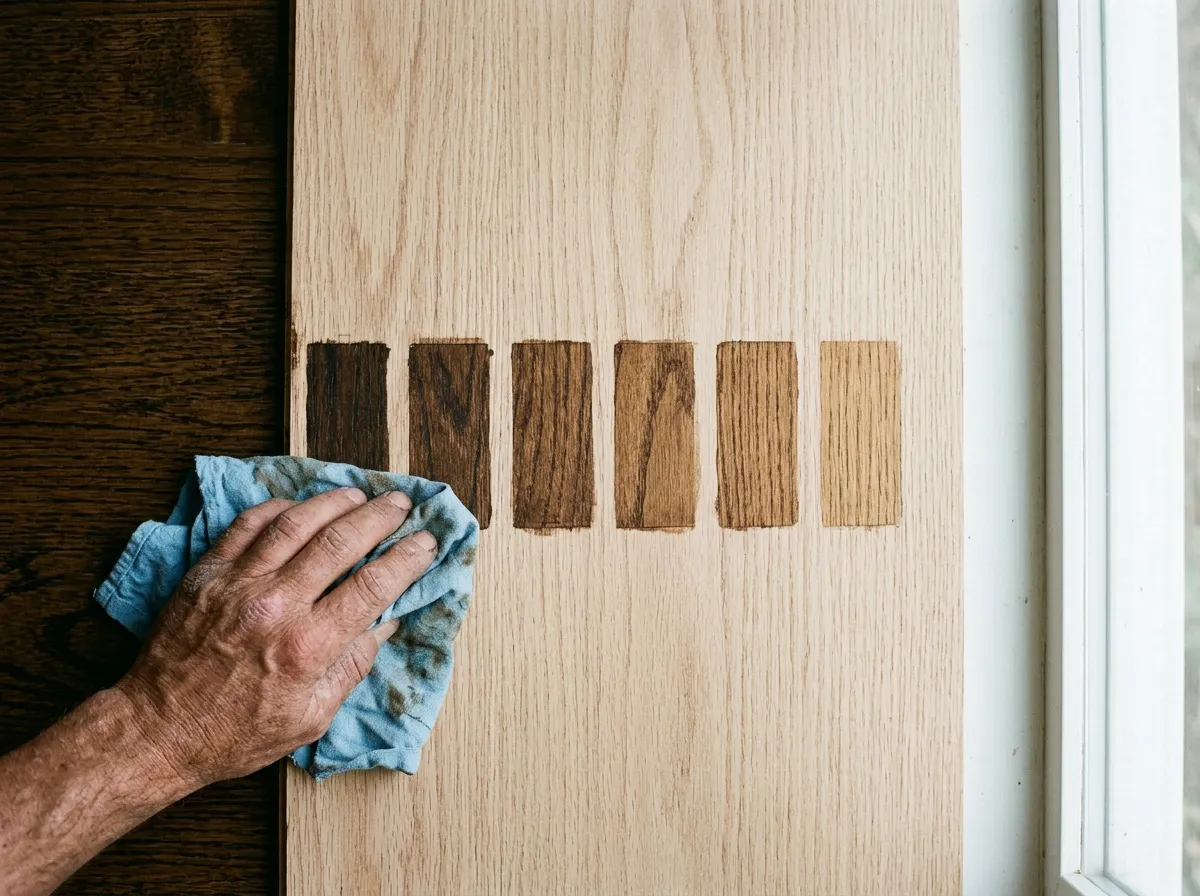
Pet Stain Floor Repair
Black urine stains, odor and claw damage fixed by treating, replacing boards or refinishing — with matching color so the repair disappears.
Learn moreScratch, Dent & Gouge Repair
Surface scratches buffed out, dents raised or filled, deep gouges color-matched and worn lanes recoated — without refinishing the whole house.
Learn more
Cupped & Buckled Floor Repair
Cupped, crowned or buckled boards diagnosed with moisture readings, dried at the source, then flattened, replaced or refinished.
Learn moreTermite Damage Floor Repair
After the termites are treated, damaged boards and subfloor are cut out and replaced with matched wood so the floor is solid and seamless again.
Learn more
Hole & Missing Board Repair
Holes from old vents, floor furnaces, walls, islands, pipes and nails filled with plugs, patches or woven-in boards that match your floor.
Learn moreNeed hardwood floor installation in Houston?
Call for an on-site estimate anywhere in Houston. We’ll inspect the damage, explain your options honestly, and give you a written price before any work starts.