Sand · Stain · Seal
Hardwood Floor Refinishing in Houston, TX
Most hardwood floors in Houston don’t need to be replaced — they need to be refinished. Solid ¾-inch oak can be sanded and refinished four to six times over its life, which is why the 1920s floors in Heights bungalows and the 1950s oak strip floors in Oak Forest and Meyerland ranches are still worth saving.
- On-site estimates
- Dust-controlled sanding
- Color-matched repairs
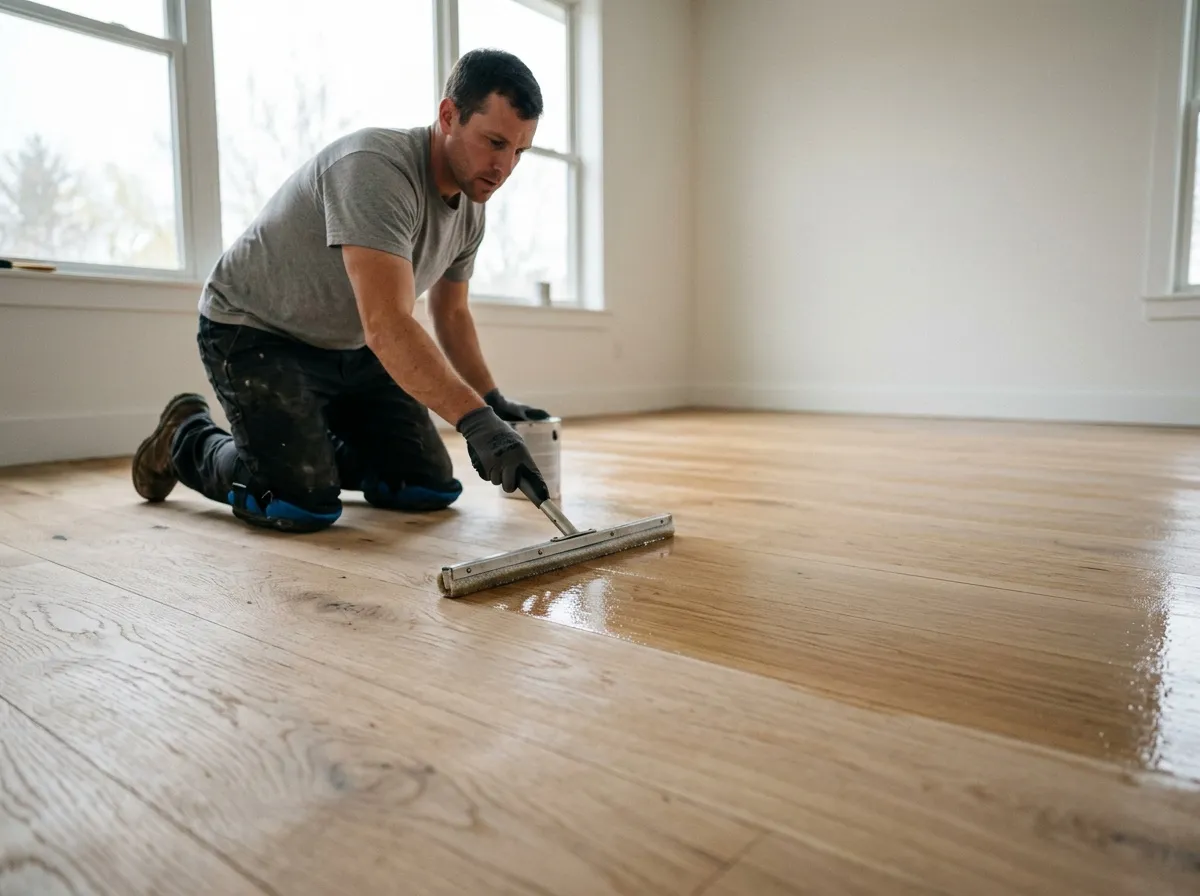
Hardwood Floor Refinishing done right
We refinish floors with a dust-controlled sanding system, take moisture readings before we start (a must in Houston’s humidity), and finish with commercial-grade waterborne or oil-modified polyurethane. You get a floor that looks new for a fraction of the cost of new flooring.
Full Refinish vs. Screen-and-Recoat: Which Do You Need?
The right method depends on how deep the damage goes. Drop a little water on a worn area: if it beads, the finish is intact; if it darkens the wood within a few minutes, the finish is gone and the floor needs a full sand.
Full sand and refinish
We sand through the old finish to bare wood using a progressive grit sequence (typically 36/40 → 60 → 80 → 100), edge along the walls, hand-scrape corners, then stain (optional) and apply three coats of finish. This removes scratches, stains, wear lanes and lets you change color completely.
Screen and recoat (buff and coat)
If the wear is only in the top coat, we abrade the existing finish with a buffer and apply one or two fresh coats. It takes a day, costs roughly a third of a full refinish, and is the best way to extend the life of a floor that was refinished in the last 5–10 years.
Engineered hardwood refinishing
Engineered floors can be refinished only if the wear layer is thick enough — usually 2 mm or more. We measure the wear layer at a floor vent or threshold before quoting so we never sand through.
Stain Colors and Finish Options
We apply stain samples directly on your sanded floor — not on a showroom board — because red oak, white oak and heart pine all take stain differently. Popular choices in Houston right now are natural (no stain), light “raw” looks on white oak, warm mid-browns and classic dark walnut.
For the topcoat, we recommend commercial waterborne polyurethane for most homes: it dries clear (no ambering), has low odor, and allows furniture back in 24–48 hours. Oil-modified polyurethane gives a warmer amber tone and costs less but needs longer dry times between coats.
- Sheens: matte, satin (most popular) or semi-gloss
- Waterborne poly: low VOC, clear, 2–3 hrs between coats
- Oil-modified poly: warm amber tone, 8–12 hrs between coats
- Hardwax oil: natural look, easy spot repair, more maintenance
Dustless Hardwood Floor Refinishing
Traditional sanding sends fine wood dust through the whole house. We use dust-containment sanding: the sanders and edgers connect to high-powered vacuum systems that capture most of the dust at the source, and we seal doorways and A/C returns with plastic before we start.
No sanding is truly 100% dust-free, so be wary of anyone promising that. A dust-controlled job, though, leaves far less to clean up, which matters for families with allergies, kids or pets, and for homes where people keep living during the work.
- Vacuum-connected sanders and edgers capture most dust at the source
- Doorways, vents and A/C returns sealed off before sanding
- Low-VOC waterborne finishes keep odor down so you can stay home
- Daily cleanup with HEPA vacuums
Hardwood Stair Refinishing
Stairs take more wear than any other part of a floor, and they’re often refinished alongside the rooms around them so the colors match. Each tread is hand-sanded, since big floor sanders can’t reach the edges and nosing, then stained and finished in the same color as your floors.
Carpeted stairs can often be converted to hardwood: if the original treads under the carpet are in good shape, we refinish them; if not, we install new hardwood treads.
Local expertise
Refinishing Hardwood in Houston’s Humidity
Houston averages over 75% relative humidity for much of the year, and that matters for refinishing. Wood that has absorbed moisture swells; if it’s sanded in that state it can shrink and gap later, and finishes cure slowly in humid air.
We take moisture readings before sanding, ask that your A/C runs continuously during the job (ideally holding indoor humidity between 35–55%), and choose finishes rated for high humidity. For pier-and-beam homes in the Heights, Montrose and Garden Oaks, we also check for crawl-space moisture that can cause cupping after the job.
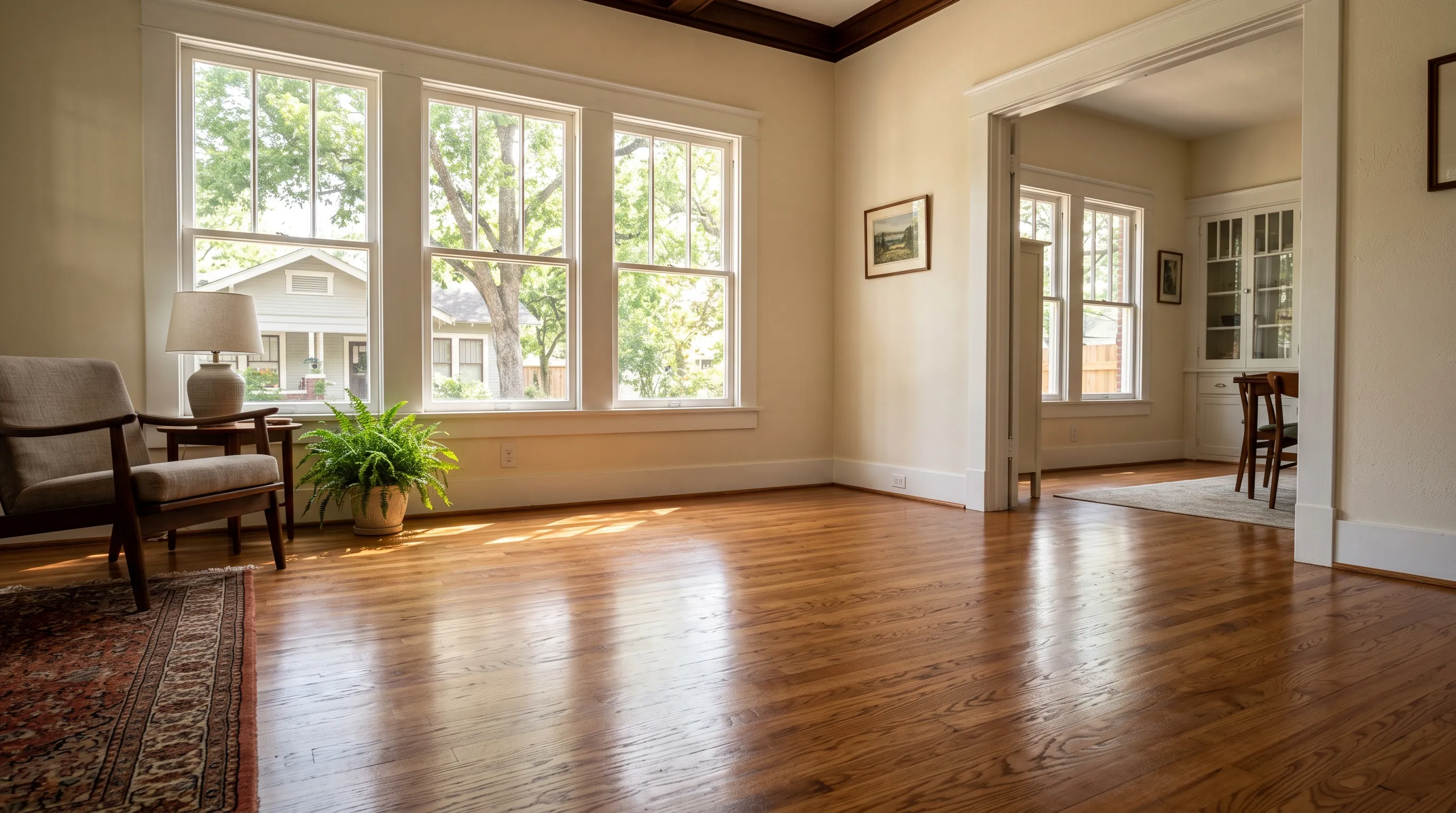
Hardwood floor refinishing in Houston: what to expect
| Service | Time |
|---|---|
| Screen & recoat (buff and coat) | 1 day |
| Full sand & refinish (natural, no stain) | 2–4 days |
| Sand, custom stain & 3 coats | 3–5 days |
| Stairs (per tread, refinish) | adds 1 day |
Every floor is different. The provider gives you a written price after an on-site inspection.
How it works
Our hardwood floor refinishing process
- 01
Inspect & measure
Moisture readings, wear-layer check and stain samples on your actual floor.
- 02
Prep & protect
We seal doorways and vents with plastic and set up dust-controlled sanding.
- 03
Sand to bare wood
Progressive grit sanding, edging and hand-scraping corners and toe-kicks.
- 04
Stain & seal
Your chosen color, then 2–3 coats of commercial polyurethane with buffing between coats.
- 05
Walkthrough
Final inspection together plus care instructions for the curing period.
FAQ
Hardwood Floor Refinishing FAQs
Is dustless hardwood floor refinishing really dust-free?
Not completely. Dust-containment sanding captures most of the dust at the sander, and sealing off doorways and vents keeps the rest out of the house, but a small amount of fine dust is normal. It’s far cleaner than traditional sanding.
Can I stay in my house while my floors are refinished?
Often, yes. With dust-controlled sanding and low-VOC waterborne finishes, many families stay home and simply avoid the rooms being worked on. With oil-based finishes we recommend staying elsewhere for 1–2 nights because of odor.
How long until I can walk on and move furniture back onto refinished floors?
With waterborne finish: socks after about 24 hours, furniture after 48–72 hours, and rugs after 1–2 weeks once the finish fully cures. Oil-modified finishes need roughly twice as long.
What is the best time of year to refinish hardwood floors in Houston?
Fall through spring (October–April) is ideal because outdoor humidity is lower and finishes cure faster. Summer jobs are fine as long as the A/C runs continuously to keep indoor humidity under control.
How many times can hardwood floors be refinished?
Solid ¾-inch hardwood can usually be fully sanded 4–6 times over its life. Engineered hardwood depends on its wear layer: 2–3 mm typically allows one sanding, 4 mm or more allows two or more.
Where we work
Hardwood Floor Refinishing near you
We provide hardwood floor refinishing throughout Houston, including these neighborhoods:
- Houston Heights77008, 77007, 77009 · ~4 miles northwest
- Montrose77006, 77098, 77019 · ~3 miles southwest
- River Oaks77019, 77027 · ~4 miles west
- West University Place77005 · ~6 miles southwest
- Bellaire77401 · ~9 miles southwest
- Meyerland77096, 77035 · ~10 miles southwest
- Memorial77024, 77079 · ~12 miles west
- Garden Oaks & Oak Forest77018, 77092 · ~8 miles northwest
Especially common in Montrose, West University Place, Memorial, Garden Oaks & Oak Forest.
Related services
Other hardwood floor services
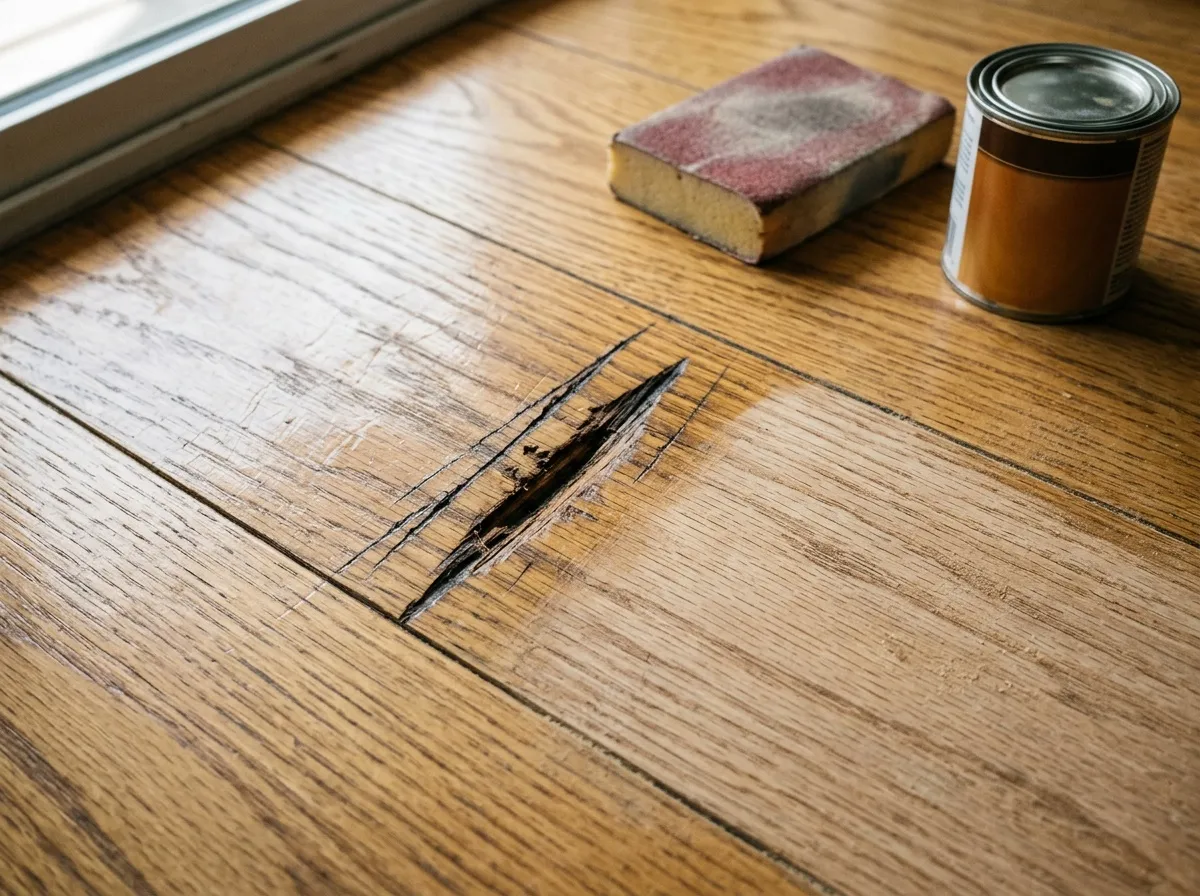
Hardwood Floor Repair
Scratches, gouges, gaps, dents, holes, pet and termite damage repaired and blended into your existing floor.
Learn more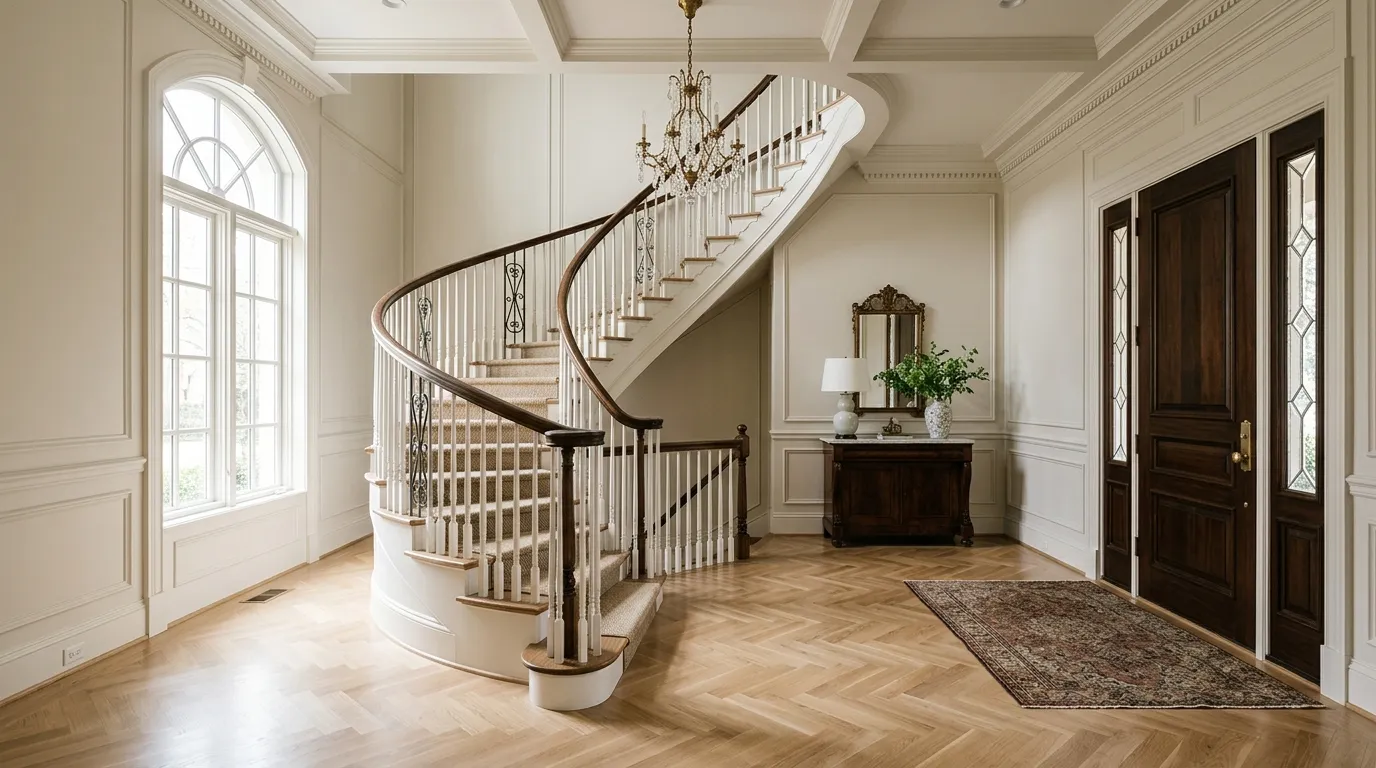
Hardwood Floor Installation
Solid and engineered hardwood installed on slab or pier-and-beam, with moisture testing first, plus new wood woven into your existing floors.
Learn more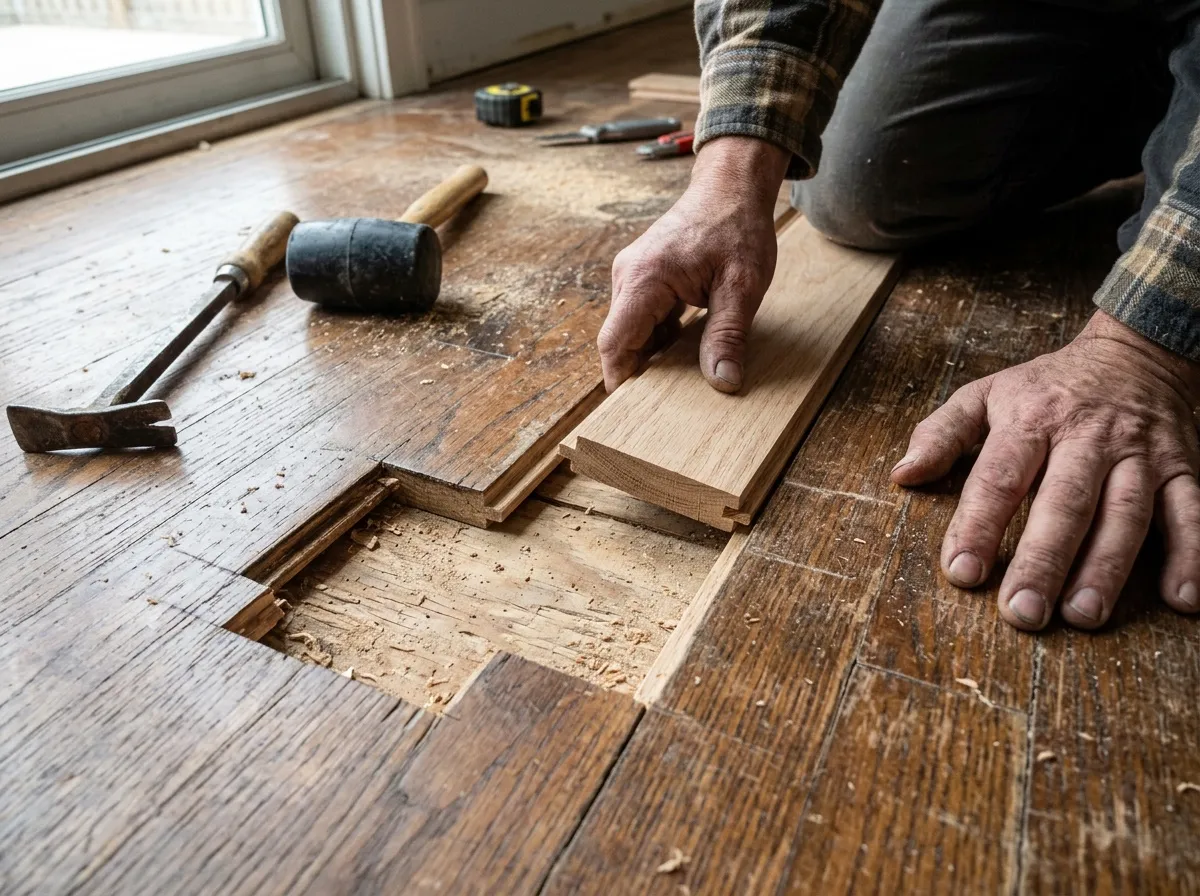
Board Replacement & Color Matching
Damaged boards cut out and laced in with matching species, width and stain — so the repair disappears into the rest of your floor.
Learn more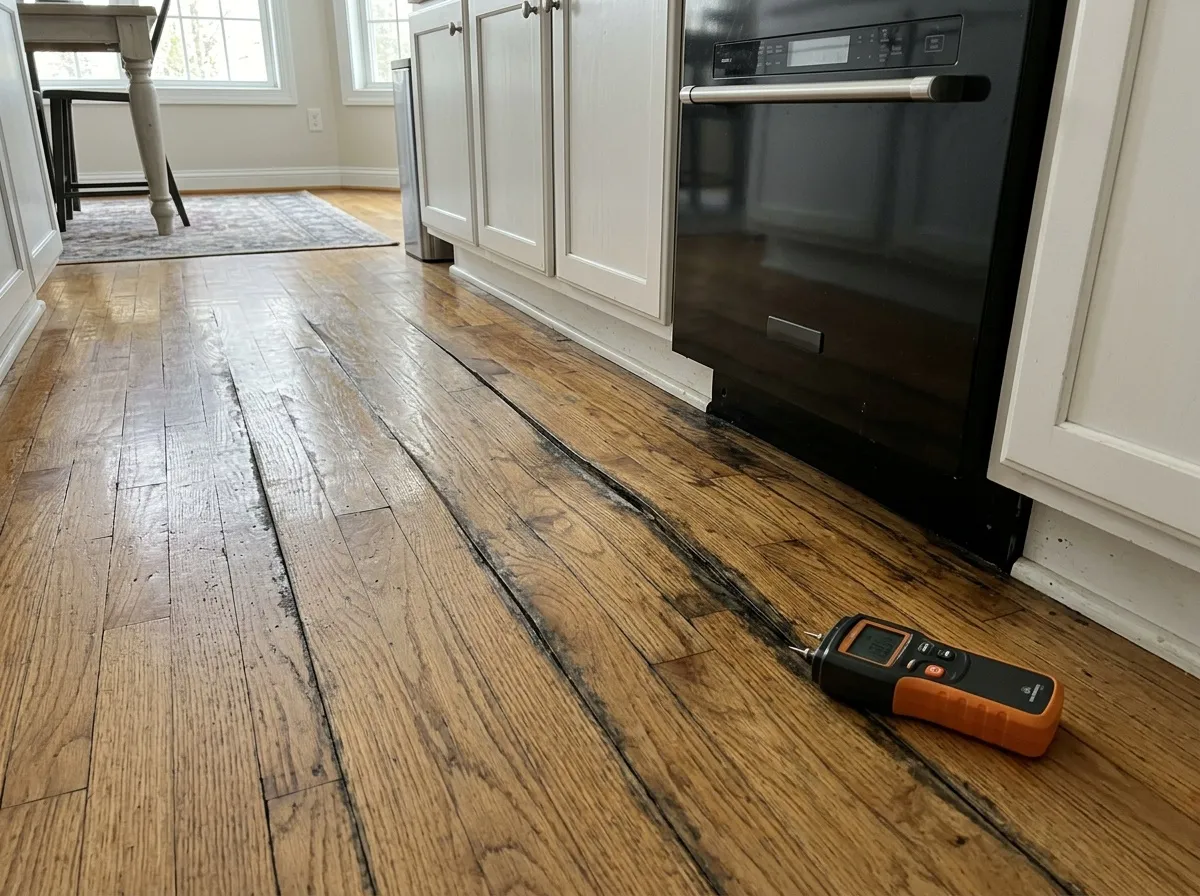
Water Damaged Floor Repair
Cupped, crowned, buckled or stained floors after leaks or storms — moisture-tested, dried, repaired and refinished.
Learn more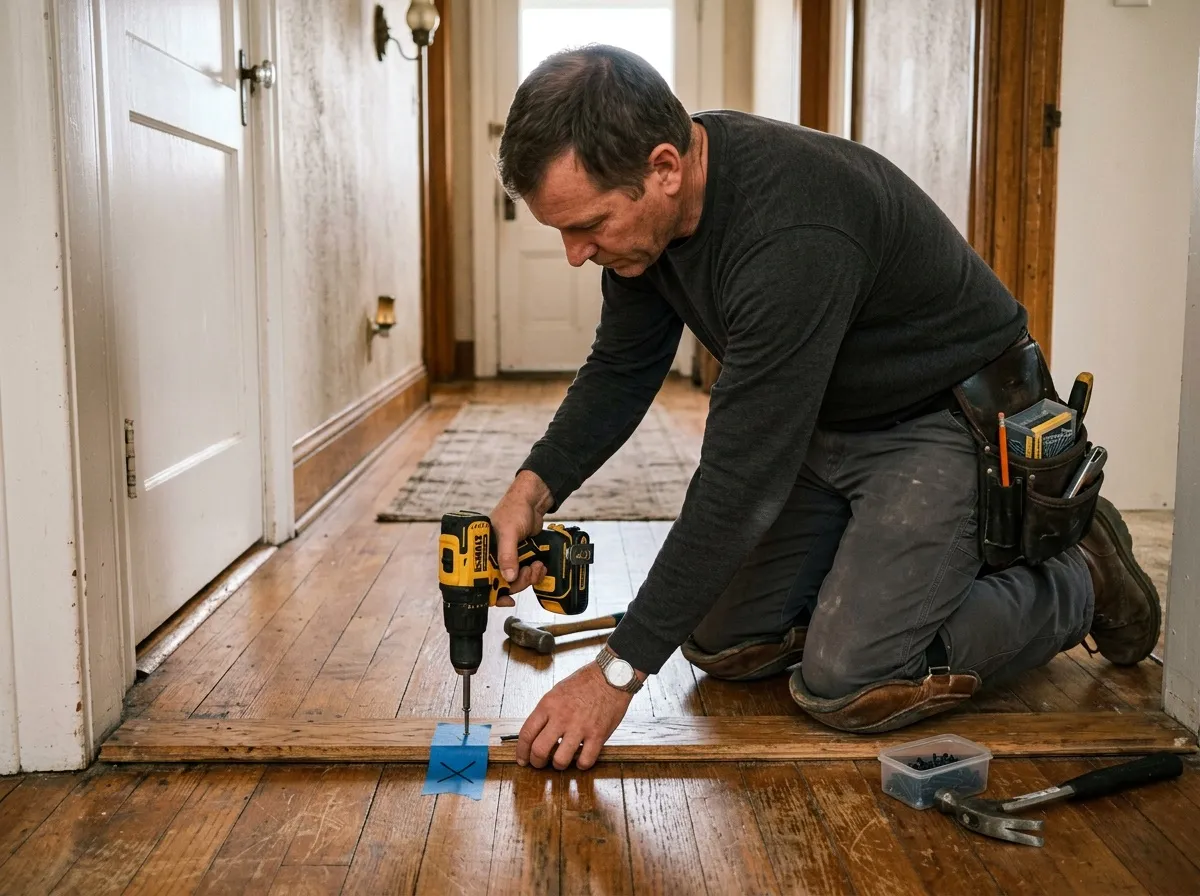
Squeaky & Loose Floor Repair
Squeaks, bouncy spots and loose boards fixed from above or below — on pier-and-beam and slab homes, without tearing up your floor.
Learn more
Floor Gap Repair
Gaps between boards closed with glued-in wood slivers or flexible filler — the right fix for the board, the gap size and the season.
Learn more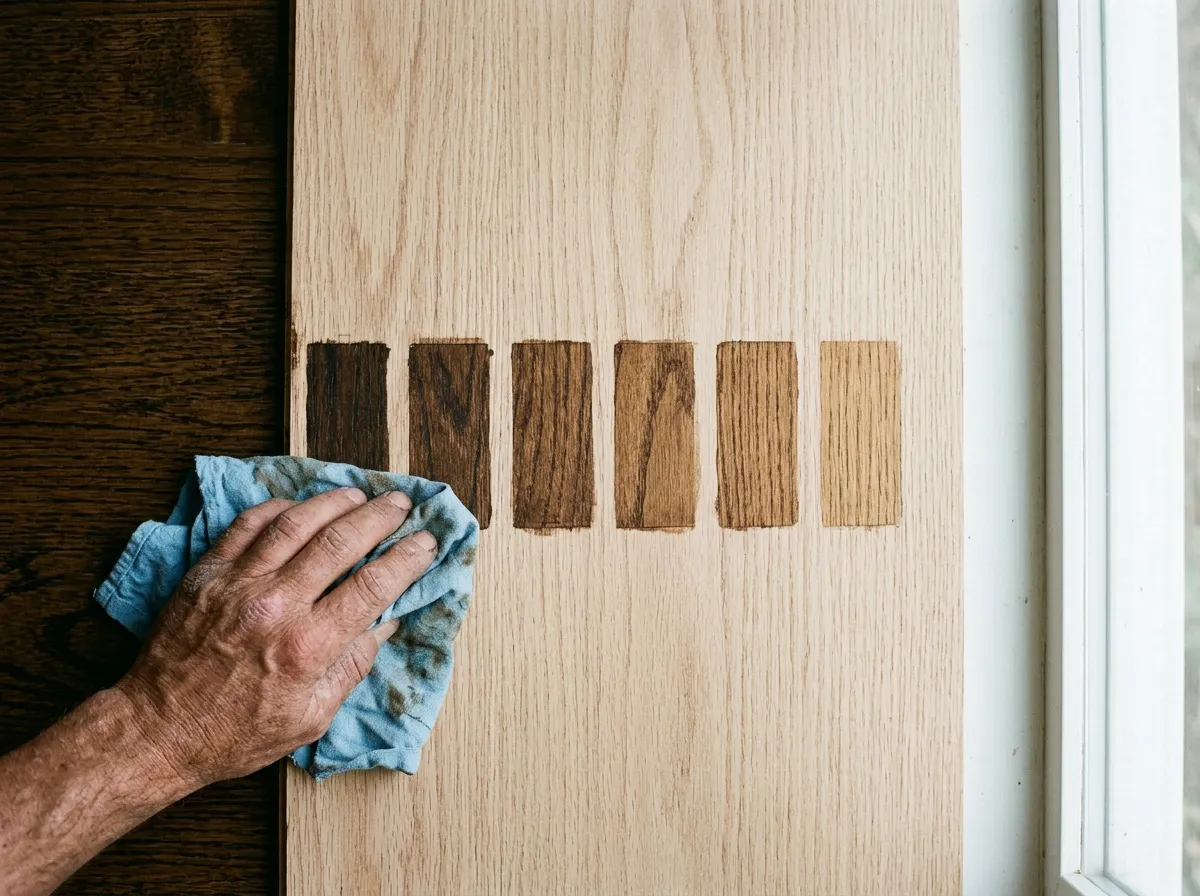
Pet Stain Floor Repair
Black urine stains, odor and claw damage fixed by treating, replacing boards or refinishing — with matching color so the repair disappears.
Learn moreScratch, Dent & Gouge Repair
Surface scratches buffed out, dents raised or filled, deep gouges color-matched and worn lanes recoated — without refinishing the whole house.
Learn more
Cupped & Buckled Floor Repair
Cupped, crowned or buckled boards diagnosed with moisture readings, dried at the source, then flattened, replaced or refinished.
Learn moreTermite Damage Floor Repair
After the termites are treated, damaged boards and subfloor are cut out and replaced with matched wood so the floor is solid and seamless again.
Learn more
Hole & Missing Board Repair
Holes from old vents, floor furnaces, walls, islands, pipes and nails filled with plugs, patches or woven-in boards that match your floor.
Learn moreNeed hardwood floor refinishing in Houston?
Call for an on-site estimate anywhere in Houston. We’ll inspect the damage, explain your options honestly, and give you a written price before any work starts.